
25th Novemnber 2025
Edinburgh Institute of Diplomacy and Economics Briefings
-Quick overview of the Fed
-persistent geopolitical risk, rise in housing prices and hawkish chair Powell’s effect on the financial market
<Summary>
Despite the weakening labour market, inflationary pressure is still persistent.
Domestically, this pressure comes from discretionary and fluctuating Trump’s tariff policy and consistent and invincible immigration clampdown leading to labor shortage.
Inside-divided Fed’s gradual rate-cut is likely, but long-term interest rates will remain high with the support of expected Fed chair's hawkish statements, which influences currency and stock markets.
Risk-off sentiment prevails also as a result of continuing geopolitical risk in the Middle East and in the Russian-Ukraine war, especially weighing on sentiment of the European financial market.
Money keeps flowing into safe-haven assets.
In the last, I am afraid Japanese financial authorities have been failing in issuing determination to intervene.
<Declining FF rate and rising real interest rate>
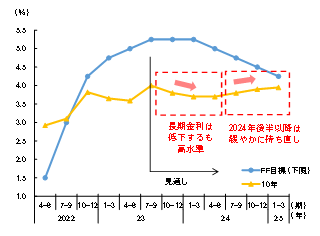
<reference>
みずほリサーチアンドテクノロジーズ
*10年ーlong-term interest rate
<Inflationary pressure and next move of the Fed>
The United States is highly likely to fall into stagflation.
Two domestic factors are considered to be driving the current rise in inflationary pressures in America.
Tariff policies are one, of course, but the other is the tightening of the labour market due to the expulsion of immigrants.
According to the NLI(Nissei Life Insurance) Research Institute, the construction industry is facing a 20% reduction in its workforce.
Soaring construction costs will lead to rent inflation.
Services constitute 60% of the CPI components, with rent accounting for 58% of that.
Rent accounts for 34.8% of the CPI.
<Composition of US CPI>

<Reference> OWANDA証券
https://www.oanda.jp/lab-education/beginners/fundamentals_analysis/calculation_composition_ratio/
*家賃ーRent 帰属家賃ーImputed rent
<US housing prices>
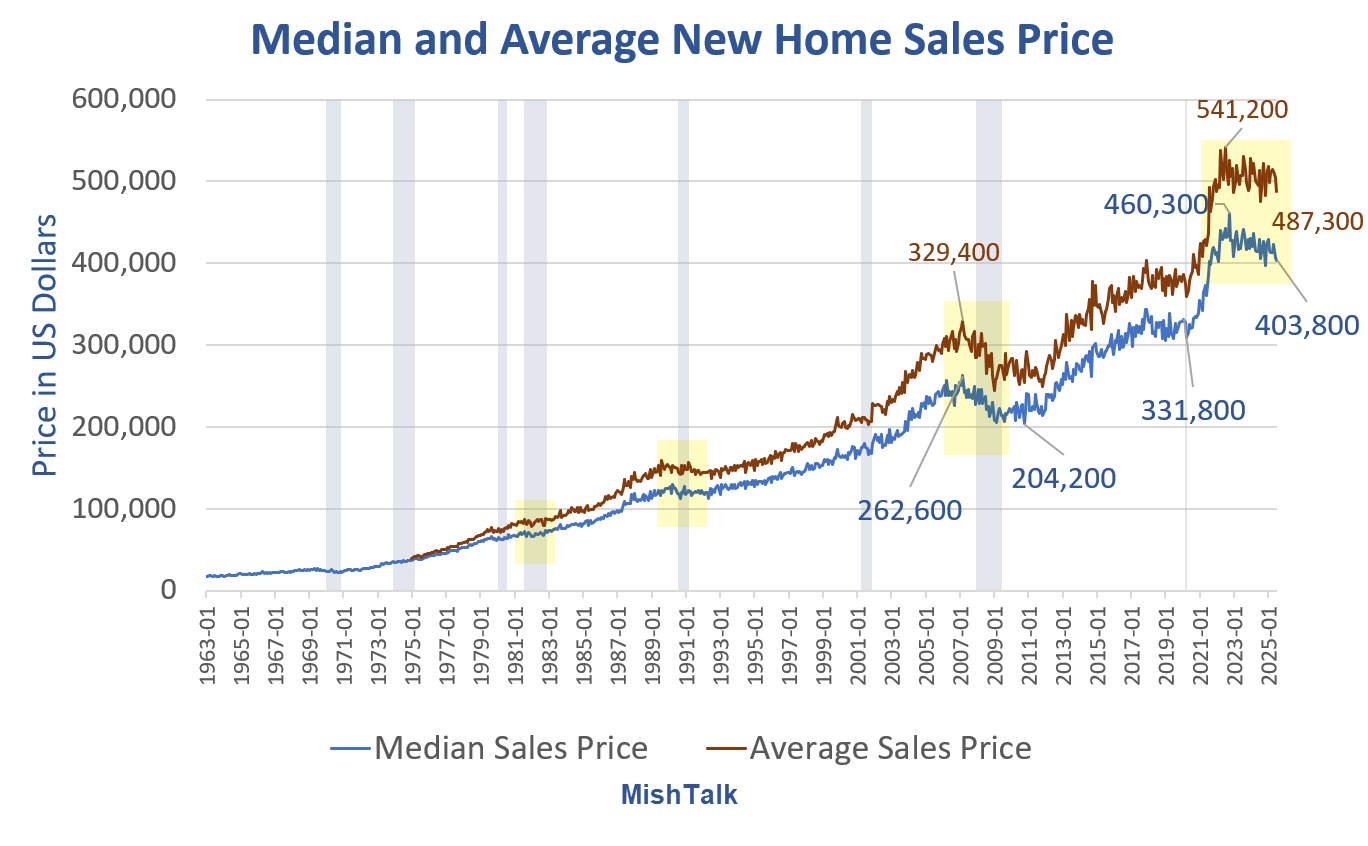
While Trump's tariff policy changes frequently, his immigration exclusion policy is steadily progressing.
Considering that the labour market is deteriorating and rent inflation is hitting the US economy, both policy and long-term interest rates are likely to remain high.
Even if interest rates are cut, Chairman Powell will continue to give a warning further and stock prices are likely to undergo repeated adjustments for a while.